OpenMarkX: An Extensible Platform for Watermarking Open-Source Model and Agent Outputs

OpenMarkX

An Extensible Platform for Watermarking
Open-Source Model and Agent Outputs

Choose a model or agent backbone, a compatible watermark method, a private key, and evaluation settings. OpenMarkX produces watermarked weights, detection results, and quality and robustness reports. Our method, OpenMark, combines joint model–policy learning with perturbation-aware training.

Jiaqi Xue · Yifei Zhao · Mansour Al Ghanim · Shangqian Gao · Ruimin Sun · Qian Lou · Mengxin Zheng
LoopLeap Lab · University of Central Florida · Florida State University · Florida International University

Watermarking open model and agent outputs

Inputs

Models & agents

Text modelsAgents
Vision-languageImagesPhysics fields

Methods & keys

Method library + your method

Private key

Evaluation setup

Data · Prompts · Modifications

Extensible platform

Watermark method library

Select a compatible method for each model

Watermark & evaluate

Embed Weight editsoptional Generate Output editsoptional Detect / verify

Weight edits: fine-tune · merge · quantize · prune

Compare detectability, quality & robustness

Outputs

Watermarked weights

Standard inference

Detection results

Output scores · Model verdicts

Benchmark reports

Quality · Detectability · Robustness

Samples · Configurations · Leaderboards

git clone https://github.com/loopleap-lab/OpenMarkX && pip install -e OpenMarkX
upload
AAlicemodel ownerAlice’s LLM
Model hubAlice’s LLM
download
BBobdownloads, fine-tunesAlice’s LLMBob’s LLM
↑ traced to
generates

The tower was finished in 1889 and stood as the tallest structure in the world for four decades

Traced toAlice’s LLMread with Alice’s key
detect

The tower was finished in 1889 and stood as the tallest structure in the world for four decades

written by Bob’s LLM
Motivation

A generation-time watermark is a step added after the model, and users of an open-source model can skip it. OpenMarkX trains the model so its own outputs carry the mark.

Watermark added while generatingOpen-source model: users run the model alone, without the step
Model
Watermark step

The tower was finished in 1889 and stood as the tallest structure in the world for four decades

no mark
OpenMarkX: the model writes the mark itself
OpenMarkX trains it in
Modelmark in weights
Watermark step

The tower was finished in 1889 and stood as the tallest structure in the world for four decades

The OpenMarkX Toolkit

Three steps, embed, modify and detect, sit between the models you watermark above and the watermarking methods that plug in below.

OpenMarkX
embedtrain the mark into the model
modifyfine-tune or quantize it
detectcheck outputs with the key
Methods
LanguageOpenMark (ours)KGWSynthID+ your method
VisualOpenMark (ours)WMARTree-Ring+ your method
AgentOpenMark (ours)Agent GuideAgentMark+ your method
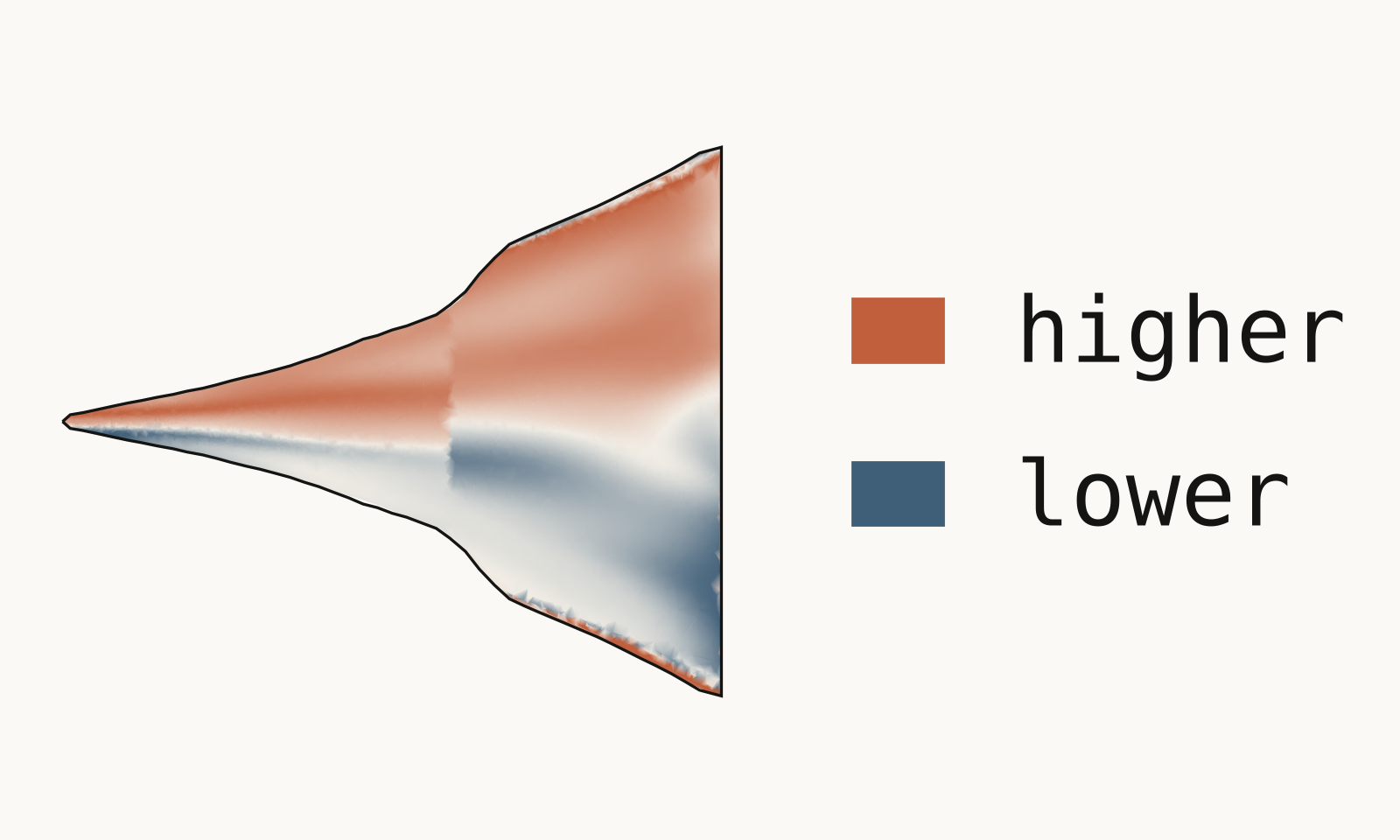
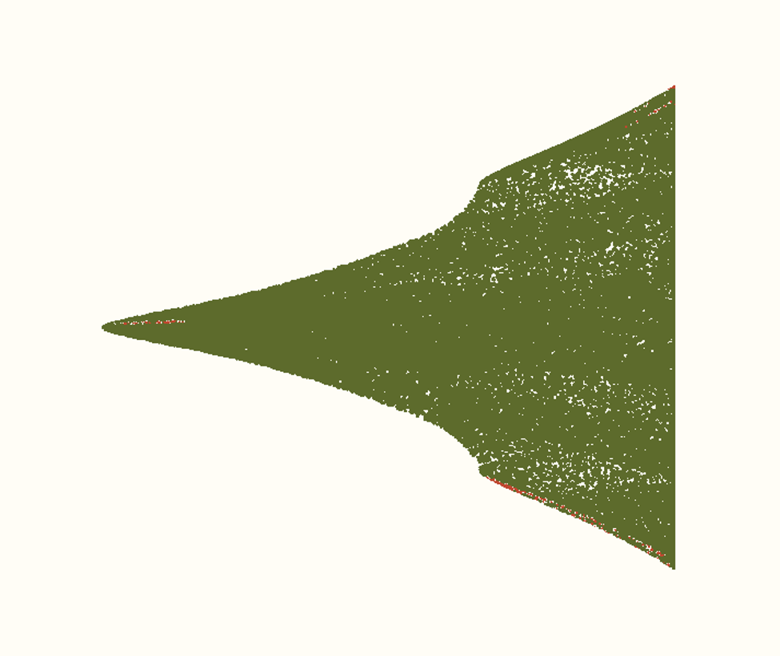
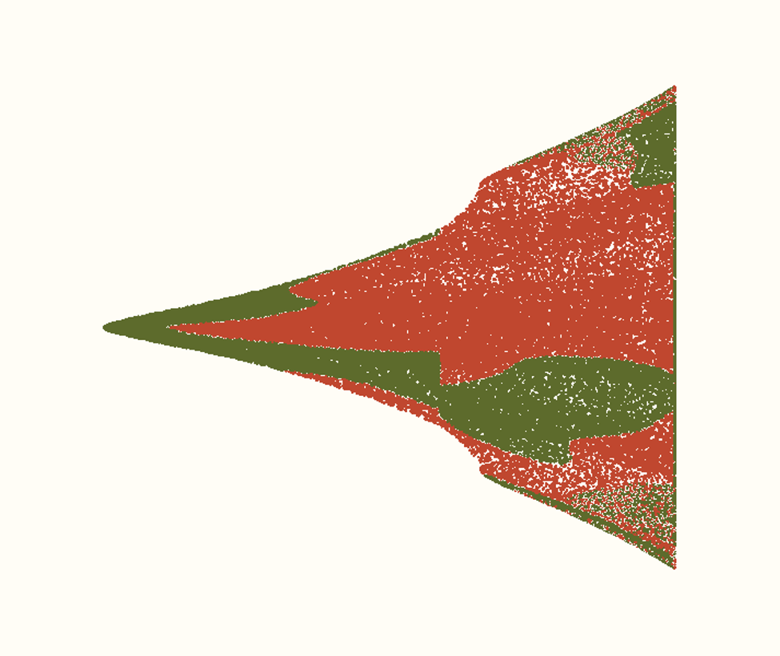
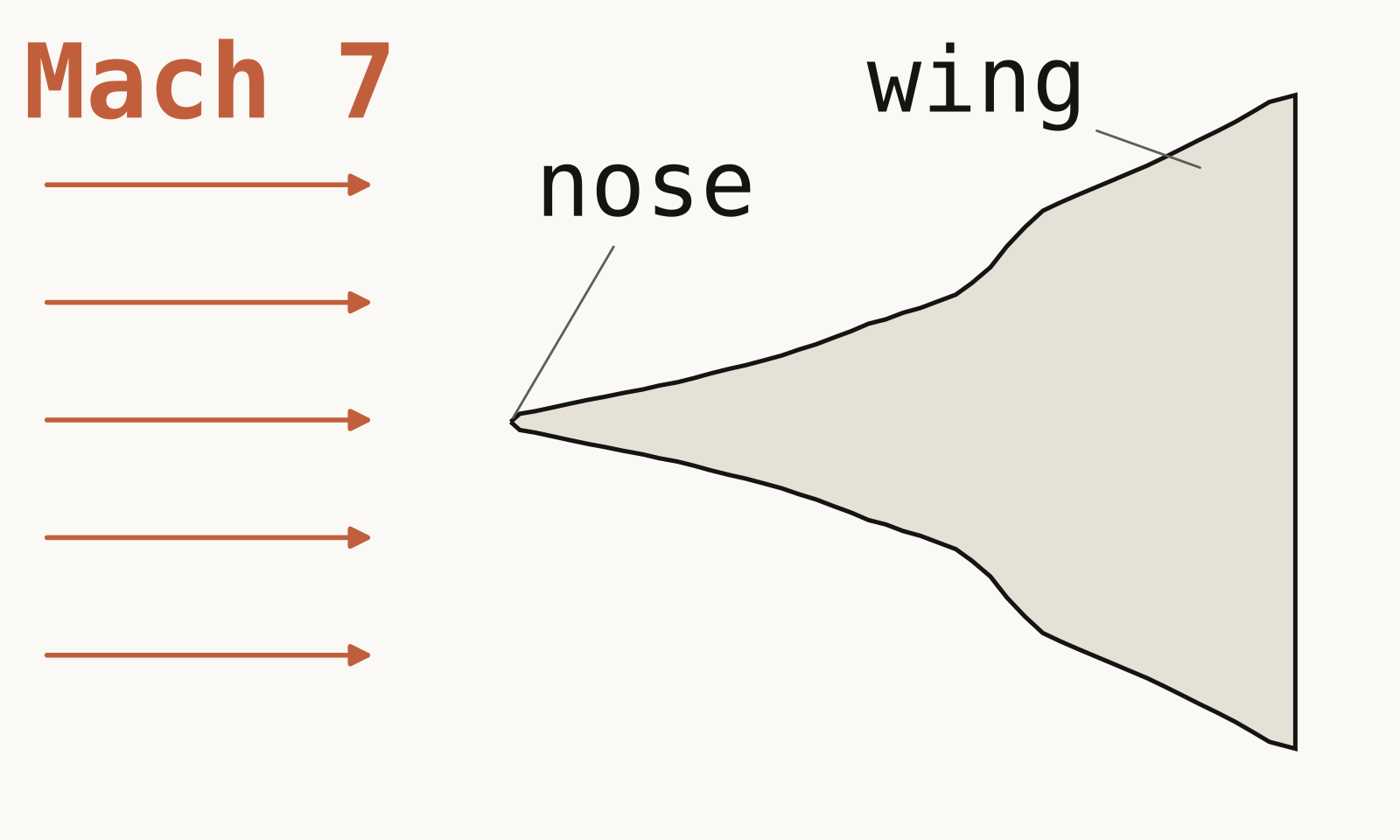
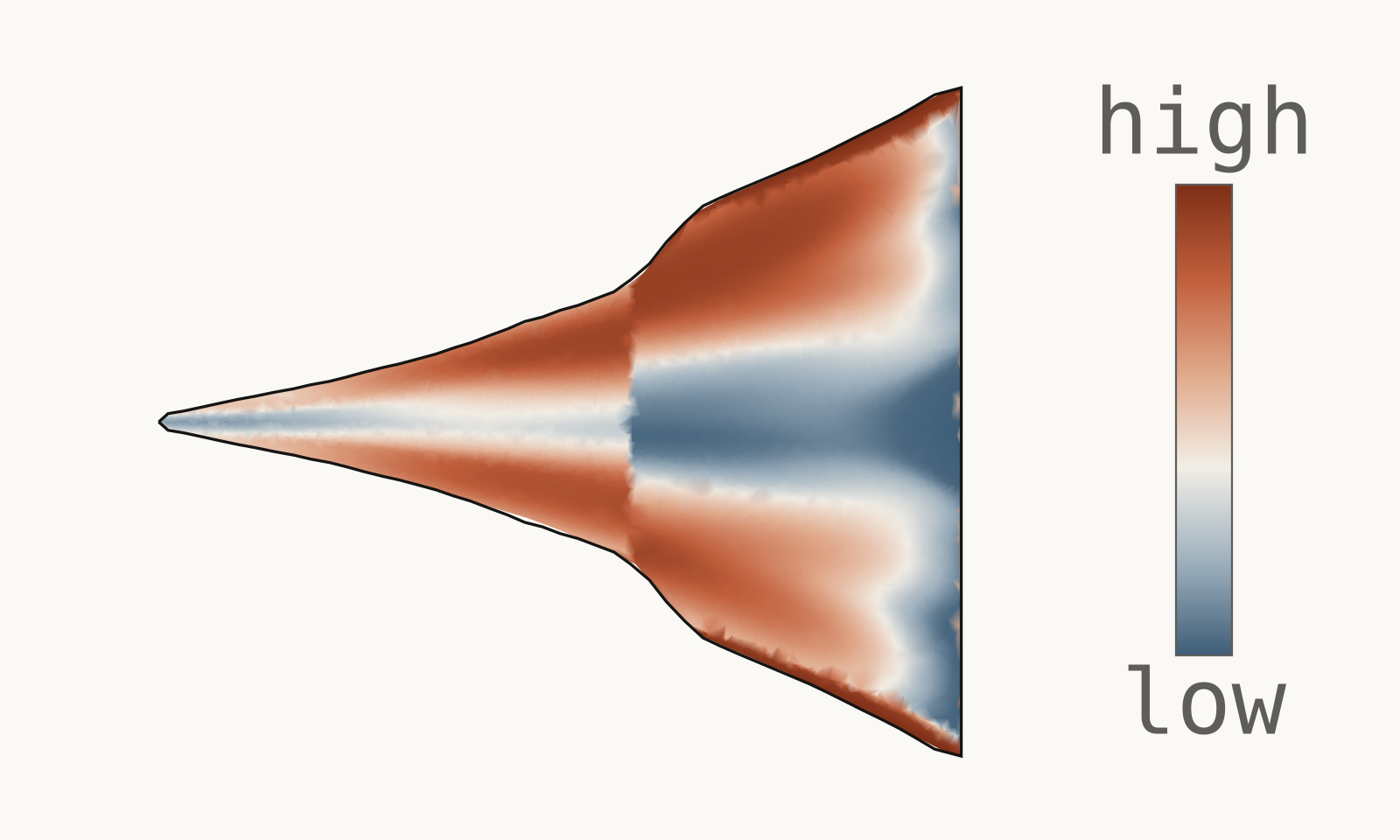
Others (e.g., physics fields)OpenMark (ours)+ your method
Built on
MarkLLMMarkDiffusionHugging FacePyTorch
Our methodOpenMark learns the mark together with the model, and trains it against the edits that would erase it.How it works and its results →

Demos:
Images, Physics and Agents

The same recipe on four open models: medical images, physics simulation, agents and image generation. The same three calls on every model; only the orange parts change. Green marks the parts that follow the secret key.

The case. A team releases its image generator. An image spreads online: did their model make it?

1 · Embedm = omx.embed("taming-imagenet", "wmar")Train the mark into the weights.
2 · Releasem.push("team/taming-imagenet")Publish as usual; the key stays private.
3 · Detectomx.detect(image, m.key)Works on the image file itself.
Input
ImageNet classzebra
A class label, like a prompt.
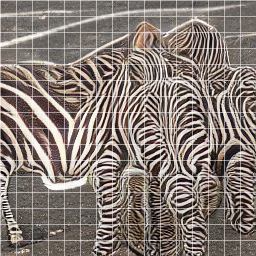
OutputA generated zebra cut into a 16 by 16 grid of tiles
The image is 16×16 tokens from a codebook. Each tile plays the role of a word.
Key
previous tilekeygreen codebook entries
The key and the previous tile pick which codebook entries are green, like a green list. The rule starts from WMAR and is learned with the model.
Check
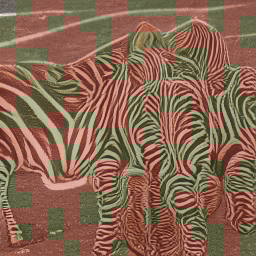
The watermarked zebra with most tiles tinted green42% greenmark in weights
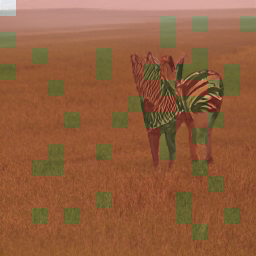
A zebra from the original model with most tiles tinted red16% greenoriginal model
A tile is green when its codebook entry is on the list. Chance is 25%.
90%of 300 generated images flagged, 1% false positives
90FID against the original model, lower is better (WMAR at decode time: 69)

Taming, an autoregressive image transformer, ImageNet 256×256. The green-list rule starts from WMAR and is learned with the model.

Get Started

As Alice, the model owner: from install to tracing an output.